SR Derma Laser Clinic
dark-spots

Dark Spots

Dark spots, also known as hyperpigmentation, are a common skin condition where certain areas of the skin become darker than the surrounding skin due to an overproduction of melanin, the pigment responsible for skin color. While dark spots are generally harmless, they can affect the appearance of the skin and may be a cosmetic concern for many people. Here's a detailed explanation of what dark spots are, their causes, prevention strategies, and advanced treatment options. What Are Moles? Moles, medically known as nevi, are growths on the skin that are usually brown or black. They are caused by clusters of pigmented cells called melanocytes, which produce melanin, the substance responsible for skin color. Most moles appear during childhood and adolescence, though they can develop at any stage of life.

Types of Dark Spots

  • Sun Spots (Solar Lentigines):

    Small, dark patches that usually appear on sun-exposed areas such as the face, hands, and arms. These spots are common in people over the age of 40.

  • Melasma:

    Larger patches of dark pigmentation that are triggered by hormonal changes. It is more common in women and often occurs on the face, particularly during pregnancy or when taking birth control pills.

  • Post-Inflammatory Hyperpigmentation (PIH):

    Dark spots that develop after an injury or inflammation of the skin, such as acne scars or eczema. These spots are often flat and vary in color, from brown to black or even reddish-purple.

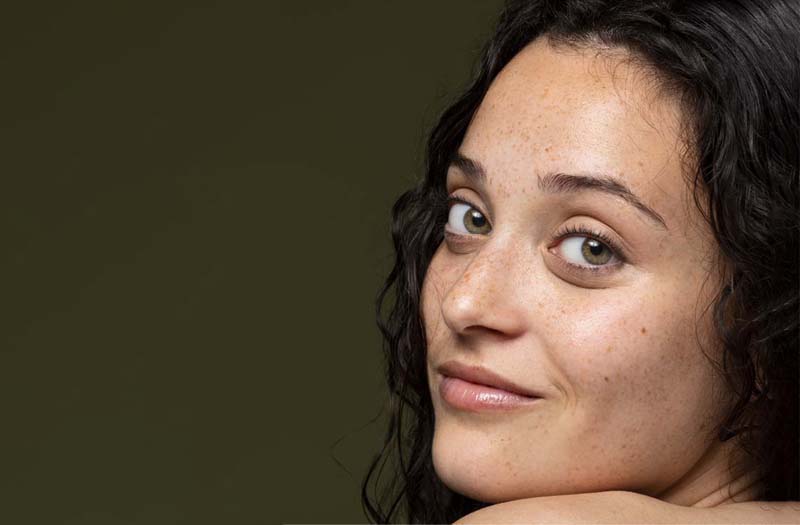
  • Freckles

    Small, flat brown spots that often appear on fair-skinned individuals, especially those with light hair and eyes. Freckles are genetic but can be exacerbated by sun exposure.

What Causes Dark Spots?

  • Sun Exposure (Solar Lentigines): Prolonged exposure to the sun’s UV rays is the leading cause of dark spots. UV light stimulates melanocytes (cells that produce melanin) to protect the skin from damage. Over time, excess melanin accumulates in certain areas, leading to dark patches commonly known as sun spots or age spots.
  • Post-Inflammatory Hyperpigmentation (PIH): This occurs after the skin heals from an injury, inflammation, or skin condition such as acne, eczema, or psoriasis. The skin overproduces melanin as part of the healing process, resulting in dark spots where the inflammation occurred.
  • Hormonal Changes (Melasma): Hormonal fluctuations, particularly in women during pregnancy or while using birth control, can trigger melasma, a type of hyperpigmentation. Often referred to as the “pregnancy mask,” melasma appears as large, irregularly shaped dark patches on the face, especially on the forehead, cheeks, and upper lip.
  • Aging: As the skin ages, the ability to repair itself diminishes, and melanin production becomes uneven. This leads to the formation of age spots or liver spots, particularly in sun-exposed areas like the face, hands, and shoulders.
  • Medications: Certain medications, such as chemotherapy drugs, anti-seizure drugs, and antibiotics like tetracycline, can make the skin more sensitive to sunlight, leading to hyperpigmentation.
  • Skin Trauma: Injuries such as cuts, burns, or even bug bites can trigger melanin overproduction as the skin heals, leading to dark marks that remain long after the wound has healed.
  • Genetics: Some individuals are genetically predisposed to developing hyperpigmentation, with conditions like freckles or age spots running in families.
  • Other Environmental Factors: Pollution, smoking, and harsh chemicals can also cause skin irritation, leading to an overproduction of melanin in some individuals.

Common Treatment Options for Dark Spots

If dark spots have already developed, several treatments are available to lighten or remove them. The choice of treatment depends on the severity, type, and underlying cause of the hyperpigmentation. Here are the most effective treatment options for different types of Dark Spots.
Laser Therapy
  • Fractional CO2 Laser: This laser treatment targets the deeper layers of the skin to break up excess melanin and encourage new, healthy skin to form.
Cryotherapy
  • A quick and effective treatment that freezes and removes dark spots, particularly age spots, using liquid nitrogen.
Preventative Maintenance and Skincare Routine
  • Following treatment, we recommend a personalized skincare routine that includes sunscreen, antioxidants, and gentle exfoliation to maintain results and prevent new dark spots from forming.

Conclusion

Dark spots can be stubborn and frustrating, but with the right combination of prevention and advanced treatments, their appearance can be significantly reduced. At SR Derma Clinic, we specialize in diagnosing and treating all types of hyperpigmentation with personalized care plans. Whether your dark spots are caused by sun exposure, hormonal changes, or inflammation, our advanced therapies can help you achieve a more even, radiant complexion.

Sessions

SERVICES AVAILABLE

STARTS FROM

(1 Session)

1 Dark Spots

£ 195

(1 Session)

Up to 2 Dark Spots

£ 295

(1 Session)

Up to 5 Dark Spots

£ 495

(1 Session)

Up to 7 Dark Spots

£ 695

Laser Skin Rejuvenation

Sessions

Services AVAILABLE

STARTS FROM

(1 session)

Skin Rejuvenation: Full Face

£ 695

(3 session)

Skin Rejuvenation: Full Face

£ 1,876

(6 session)

Skin Rejuvenation: Full Face

£ 3,336

(1 session)

Skin Rejuvenation: Half Face

£ 350

(3 session)

Skin Rejuvenation: Half Face

£ 945

(1 session)

Skin Rejuvenation: lower Face

£ 350

(3 session)

Skin Rejuvenation: lower Face

£ 945

(1 session)

Skin Rejuvenation: Mid Face

£ 350

(3 session)

Skin Rejuvenation: Mid Face

£ 945

(1 session)

Skin Rejuvenation: Neck

£ 350

(3 session)

Skin Rejuvenation: Neck

£ 945

(1 session)

Skin Rejuvenation: Full Face & Neck

£ 999

(3 session)

Skin Rejuvenation: Full Face & Neck

£ 2,995

(1 session)

Skin Rejuvenation: Hands

£ 350

(3 session)

Skin Rejuvenation: Hands

£ 945