- +44 7503 263402
- manager@test.srdermaclinic.co.uk
- 333 Broadway, Bexleyheath DA6 8DT, UK

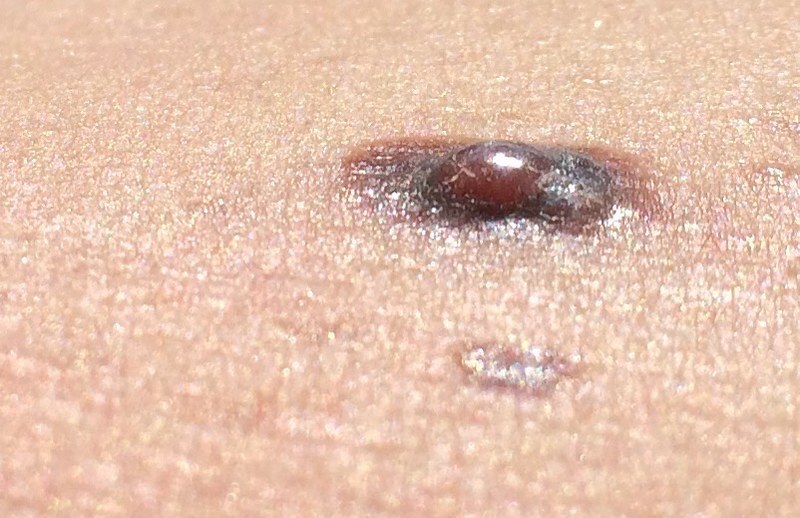
Moles can vary in size, color, and texture. The most common types include:
Moles are formed due to the overproduction of melanocytes in the skin. While the exact cause of mole formation is not entirely understood, several factors are known to contribute:
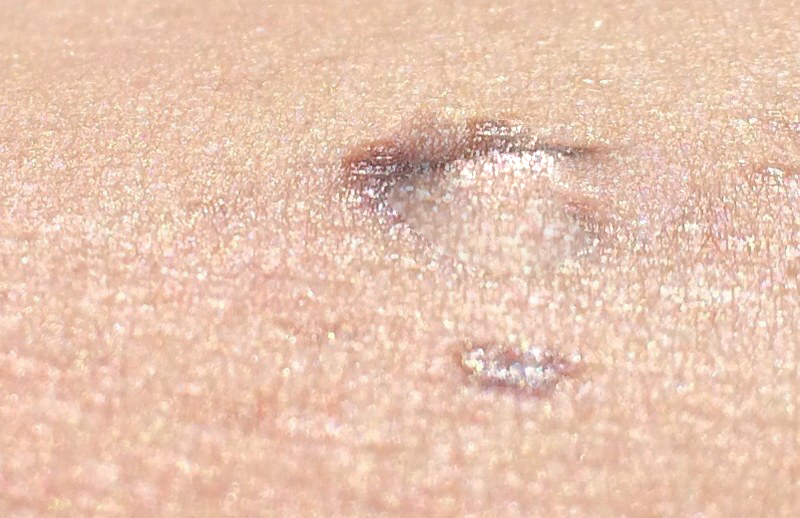
Most moles are benign and pose no health risk. However, some moles can develop into melanoma, a dangerous form of skin cancer. It's important to be aware of changes in your moles and to regularly examine your skin for any signs of concern.
Signs a Mole Might Be Cancerous (The ABCDE Rule)To help identify potentially dangerous moles, dermatologists use the ABCDE rule:
A – Asymmetry: One half of the mole doesn’t match the other in shape or color.If you notice any of these signs or other unusual changes in a mole, it’s important to consult a dermatologist for further evaluation.
Regular self-examinations and annual dermatologist visits are key to ensuring that your moles remain healthy. Here are some tips for monitoring your moles:
If a mole is causing concern or discomfort, there are several options for removal. Some people also choose to have moles removed for cosmetic reasons.
While you can’t completely prevent moles from forming, there are steps you can take to reduce the risk of developing new ones or having existing moles change.
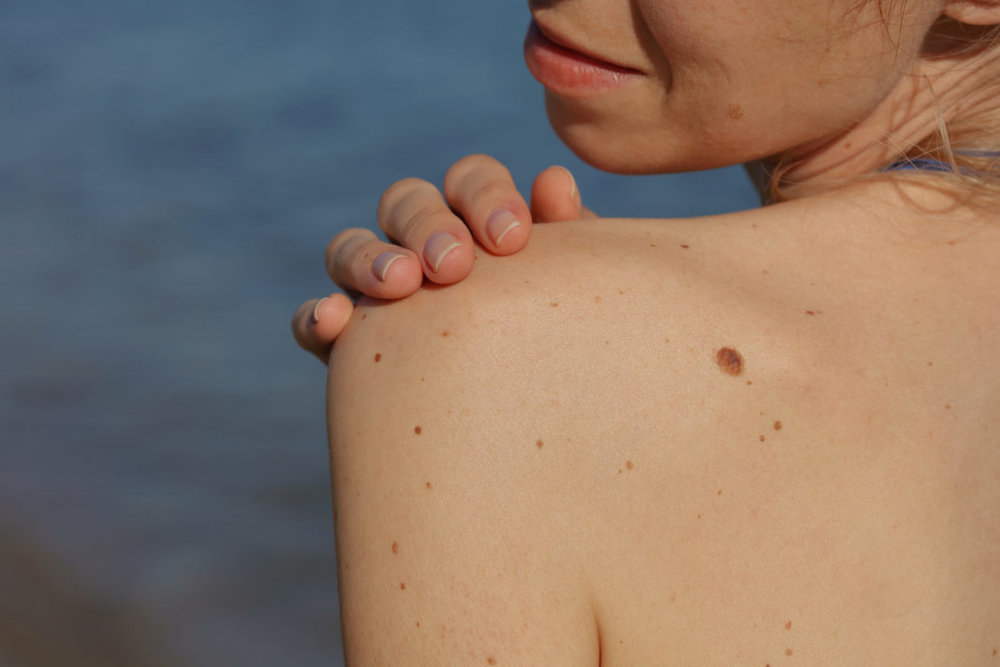
(1 Session)
Moles Treatment
£ 195
(1 Session)
Up to 3 Moles Treatment
£ 395
(1 Session)
Up to 5 Moles Treatment
£ 595
(1 Session)
Up to 10 Moles Treatment
£ 795
